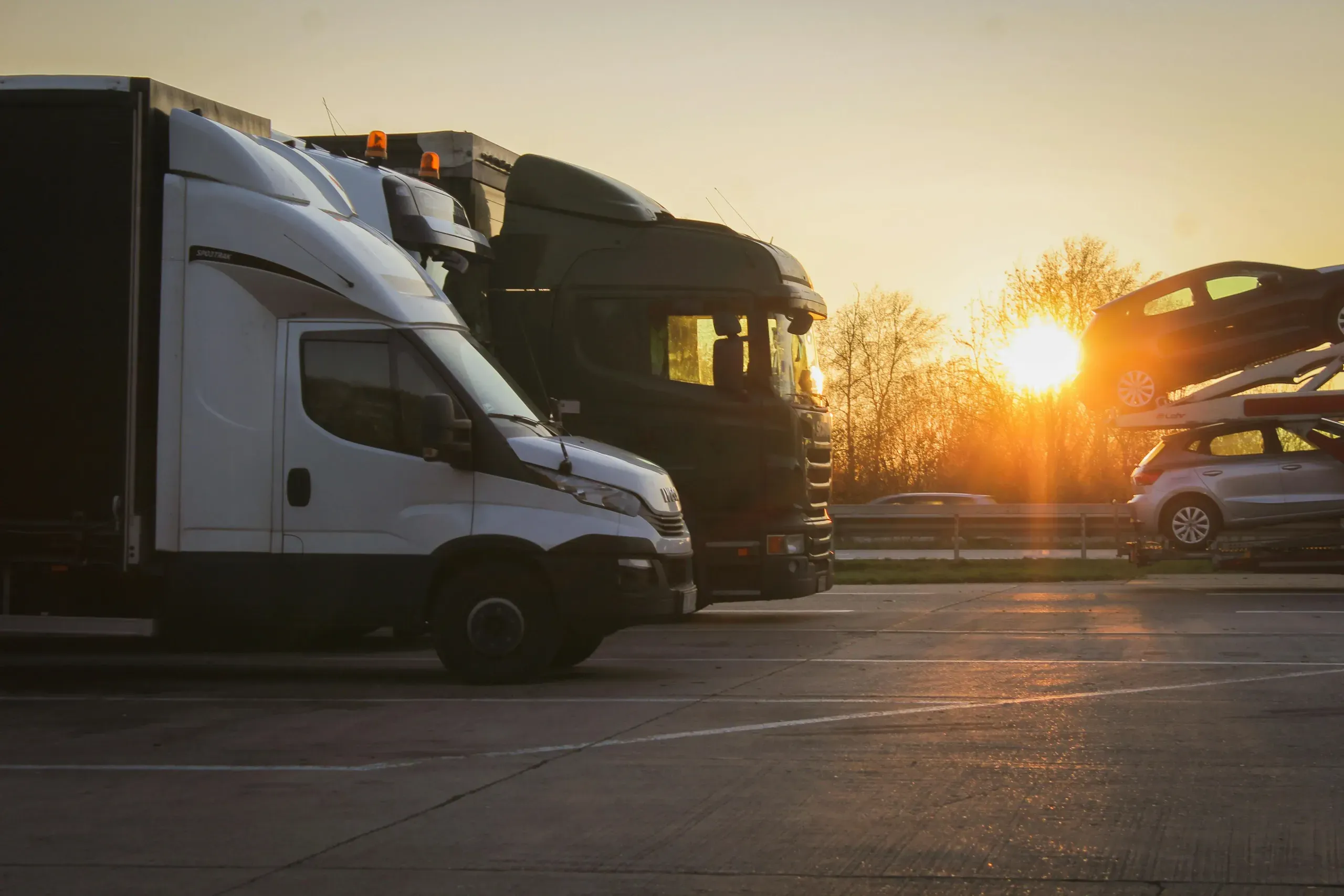
Ship Car from Kentucky to Maryland
Shipping a vehicle from Kentucky to Maryland covers approximately 543 miles, with most carriers completing the transit in two to three days. This route typically utilizes I-64 East and I-79 North, providing a direct corridor for professional transport services. Whether you are relocating for work, purchasing a vehicle from a private seller, or managing logistics for a family member, we simplify the process by connecting you with vetted carriers. The following sections cover essential details including estimated costs, transit timelines, the booking process, vehicle preparation tips, and frequently asked questions to ensure a smooth delivery.
- No-obligation quote within 2 minutes
- Price all-inclusive
- No charge until driver confirmed
- Distance
- 543 mi
- Transit time
- 2–3 days
- Open carrier from
- $600
How much does it cost to ship a car from Kentucky to Maryland?
For a typical 543-mile trip between Kentucky and Maryland, you can expect open transport to range between $600 and $825, while enclosed shipping generally costs between $1,175 and $1,550. Carriers usually complete this route in two to three days. As a referral service, Ship Car Pros connects you with independent drivers from our vetted network, ensuring your specific vehicle and route are matched with the right equipment. Your final price is determined by six primary factors, including vehicle size, current fuel costs, and your specific pickup and delivery addresses. We will walk you through these variables to ensure you receive an all-inclusive quote that covers insurance, tolls, and driver fees without any surprise charges or hidden costs later in the process.
What factors affect car shipping cost?
Several specific variables influence your final quote beyond the baseline distance of this route. We evaluate these factors to ensure your shipment is matched with the right carrier at a fair market rate:
- Vehicle dimensions and weight: Larger trucks and SUVs require more trailer space and increase fuel consumption compared to standard sedans.
- Transport type: Choosing enclosed transport provides premium protection but costs significantly more than standard open-air shipping.
- Pickup and delivery flexibility: Giving us a wider four-to-seven-day window allows carriers to integrate your vehicle into established routes more efficiently.
- Seasonal demand: Rates shift during peak moving months and the winter season when carrier capacity tightens.
- Route accessibility: Deliveries to rural locations off the main interstate corridor may require extra mileage for the driver.
- Vehicle operability: Vehicles that cannot roll or steer require specialized equipment for loading and unloading.
Open vs. enclosed car transport: which should you choose?
Most vehicles moving from Kentucky to Maryland ship via open transport. It is the industry standard, utilizing the same multi-car trailers that dealerships use to receive new inventory. With a typical cost around $679, it is the most efficient choice for daily drivers, standard SUVs, and most trucks. Your vehicle remains fully insured throughout the trip, though it will be exposed to road debris and weather conditions.
Enclosed transport is a premium service designed for vehicles that require a higher level of care. With a typical cost of $1,297, this option keeps your car inside a sealed trailer, protecting it from moisture, dust, and stone chips. We recommend this for high-value luxury cars, classic restorations, or vehicles with very low ground clearance that might struggle with standard loading ramps. If your vehicle is a prized possession or an exotic model, the added protection justifies the investment.
- Open carrier
- $600–$825
- Standard 7–10 car hauler.
- Enclosed carrier
- $1,175–$1,550
- Sealed trailer for high-value vehicles.
How long does it take to ship a car from Kentucky to Maryland?
You can expect your vehicle to arrive between two and three days after pickup for this 543-mile journey. While the drive time is only about eight hours, drivers must balance federal rest requirements with loading, unloading, and fuel stops, meaning they typically cover about 500 miles per day. Keep in mind that these timeframes are estimates; factors like heavy traffic, severe weather, or local road construction can occasionally slow progress. We will keep you updated on the driver’s status throughout the trip. Once your vehicle is in transit, we handle communication with the carrier so you know exactly when to expect your delivery.
Which routes do carriers usually take?
Carriers typically route your vehicle using a combination of major interstates designed for heavy freight. From Kentucky, drivers usually head east on I-64 E, transitioning through West Virginia before connecting to I-79 N. This route efficiently navigates the Appalachian terrain, though drivers must manage significant elevation changes and steep grades through the mountain passes. Once the carrier reaches the Maryland border, they adjust their path based on your specific delivery address, often utilizing I-68 or I-70 E to reach your final destination. While our network prioritizes major highway corridors for speed and safety, we account for local urban congestion and infrastructure restrictions to ensure your vehicle arrives securely.
What can delay your shipment?
While we aim for seamless transport, several factors can shift your delivery timeline. The Appalachian corridor along I-64 and I-79 is prone to sudden winter weather, where ice and heavy snow on mountain passes often force temporary road closures or slow speeds for safety. Additionally, scheduling can be affected by the timing of your booking; requests made on Fridays often wait until Monday for pickup, as carrier activity dips over the weekend. If you are shipping from an auction facility, missing gate pins or lot numbers will halt the process. Finally, carriers must balance your load with other vehicles, which can occasionally add time to the driver’s route.
Popular Routes
Major city-to-city routes on the Kentucky → Maryland corridor.
| From | To | Approx. distance | Transit |
|---|---|---|---|
| Louisville, KY | Baltimore, MD | ~490 mi | 2-4 days |
| Lexington, KY | Hagerstown, MD | ~380 mi | 2-4 days |
| Frankfort, KY | Frederick, MD | ~410 mi | 2-4 days |
| Bellevue, KY | Gaithersburg, MD | ~390 mi | 2-4 days |
| Worthington Hills, KY | Annapolis, MD | ~490 mi | 2-4 days |
| Coldstream, KY | College Park, MD | ~470 mi | 2-4 days |
| Blue Ridge Manor, KY | Laurel, MD | ~470 mi | 2-4 days |
| Parkway Village, KY | Hyattsville, MD | ~480 mi | 2-4 days |
| Fincastle, KY | Takoma Park, MD | ~460 mi | 2-4 days |
| Strathmoor Village, KY | New Carrollton, MD | ~480 mi | 2-4 days |
How does shipping a car from Kentucky to Maryland work?
Shipping a car from Kentucky to Maryland follows a straightforward three-stage process designed to get your vehicle from your origin to your destination. First, we provide a clear, all-inclusive quote based on your specific needs. Once you confirm, we coordinate the pickup through our network of independent carriers. Finally, the driver handles the transit and manages the drop-off at your chosen location. Each phase, from the initial inspection at your door to the final delivery, is managed to ensure your vehicle is handled professionally every mile of the way.
What happens between booking and pickup?
Once you have signed your transport agreement, the focus shifts to securing a qualified driver for your trip. We manage the logistics behind the scenes to ensure your vehicle is picked up promptly:
- We post your shipment details to our internal network to attract a carrier specializing in the Kentucky-to-Maryland corridor.
- A carrier accepts the load and is officially dispatched to your origin address.
- You receive a notification containing the carrier’s contact information and the driver’s name for your records.
- The driver coordinates with you or your designated contact to confirm a specific 24- to 48-hour pickup window.
- On the scheduled day, the driver arrives and completes a thorough walk-around inspection, documenting the vehicle's condition on the bill of lading before loading it onto the trailer.
This sequence ensures that every detail is verified before the vehicle ever leaves your possession.
What is a bill of lading (BOL)?
The Bill of Lading (BOL) serves as both your legal contract for transport and a critical condition report for your vehicle. At pickup, the driver performs a roughly 21-point visual inspection, noting existing scratches, dents, or imperfections on this document. You will review and sign it before the car is loaded. When the driver arrives at your destination in Maryland, you will perform a second, identical inspection. It is essential to conduct this walk-around in bright, clear light. Compare the vehicle's current state against the initial report before signing the final document, as your signature confirms the car arrived in the expected condition.
After delivery: registration and inspection in Maryland
Once your vehicle arrives in Maryland, you have 60 days to title and register it with the Motor Vehicle Administration (MVA). You must first pass a Maryland safety inspection at an authorized station before applying for registration. Keep in mind that Maryland requires auto insurance from a provider licensed to do business in the state; your existing out-of-state policy will not suffice. When you visit the MVA, bring your original out-of-state title, proof of Maryland residency, and your safety inspection certificate. Failing to register within the 60-day window causes you to lose eligibility for a tax credit on out-of-state titling taxes, resulting in a full 6.5% excise tax payment. You can find detailed checklists and appointment scheduling at https://mva.maryland.gov/.
Before finalizing your move, remember your responsibilities back in Kentucky. You must keep your Kentucky insurance active until the vehicle is officially registered in Maryland and surrender your Kentucky license plates to your local County Clerk to avoid potential tax assessments and mandatory insurance lapse penalties.
How do you verify a car transport company is legitimate?
Trust is essential when handing over your keys. Every legitimate transport company is required to maintain active registration with the Federal Motor Carrier Safety Administration (FMCSA). You can verify any provider by searching their MC (Motor Carrier) or DOT number on the FMCSA’s official online portal. This database confirms their license status, safety ratings, and proof of active cargo insurance. If a company cannot provide these numbers or refuses to let you verify them, do not proceed.
Beyond federal registration, look for a clear, written transport agreement. A professional service will always provide a document outlining the scope of work, insurance coverage, and total costs before any logistical movement begins. Be wary of any company that demands an upfront payment or a large deposit before they have officially assigned a carrier to your shipment. Legitimate brokers only charge a service fee once a driver is confirmed and ready to pick up your vehicle.
Finally, cross-reference the company’s reputation using independent third-party sources. Check the Better Business Bureau (BBB) for complaint history and look for recent, verified feedback on platforms like Transport Reviews. These sites offer a transparent look at how other customers have fared, helping you spot patterns of poor communication or service failure before you ever place a call.
How do I prepare my car for shipping?
Preparing your vehicle for transport helps ensure a smooth inspection process and protects your belongings during the move. Following these steps will keep your shipment on schedule and help the driver handle your car safely:
- Clean the exterior: Wash your car so the driver can easily identify and document existing scratches or dents on the bill of lading.
- Photograph the vehicle: Take clear, dated photos from every angle, including the roof and undercarriage, to serve as a record of your car’s condition.
- Clear personal items: Remove all valuables, toll tags, and parking permits, keeping personal belongings inside the vehicle to under 100 pounds.
- Limit fuel: Leave no more than a quarter-tank of gas to reduce weight and minimize safety risks during transit.
- Disable alarms: Turn off any security systems or provide the driver with clear instructions to prevent the alarm from triggering during the trip.
- Note quirks: Inform the driver of any mechanical issues, such as fluid leaks or specific starting procedures.
Completing these simple tasks before the carrier arrives prevents delays and helps ensure your vehicle is ready for the road.
Specialty shipments from Kentucky to Maryland
Some shipments require more than a standard trailer. Whether you are managing professional logistics or a personal purchase, we accommodate unique requirements that fall outside typical door-to-door transport. We frequently coordinate specialized handling for vehicles purchased at auction, non-running cars that require extra equipment, and multi-vehicle shipments for those moving entire households. If your load has specific needs, we will confirm the necessary resources before dispatching a driver to ensure your vehicle is handled properly.
How do you ship a car bought at Copart or IAA auction?
If you have purchased a vehicle from an auction facility like Copart or IAA, the pickup process requires extra coordination. Unlike residential pickups, these facilities operate under strict security protocols. To ensure a smooth handoff, you must provide your assigned carrier with the lot number, the gate pin, and your buyer number. Additionally, the auction house must have confirmed your payment in full before they will release the vehicle.
Because these facilities require carriers to schedule appointments in advance, auction pickups often take one to three days longer to arrange than standard residential shipments. We must ensure the carrier has all the necessary documentation before they depart, as missing information-such as an unverified gate pin-will result in the auction house refusing the driver entry. By preparing these details upfront, you help us minimize delays and get your vehicle on the road faster.
How do you ship an inoperable car?
If your vehicle doesn't start, we can still move it, but it requires specialized handling compared to a standard drive-on shipment. For a vehicle to be transported, it must still roll, steer, and have functioning brakes. This allows the driver to safely guide the car onto the trailer using a winch or heavy-duty ramp equipment. Because this process demands extra time, specific gear, and more precise maneuvering, it adds a surcharge to the standard transport rate. Please inform us of the vehicle's condition when requesting your quote so we can dispatch a carrier equipped with the necessary winching tools to handle the job safely.
How do you ship multiple cars at once?
Shipping multiple vehicles simultaneously is a common strategy for families relocating, individuals moving multiple household cars, or collectors managing fleet transfers. Consolidating your shipment onto a single trailer often qualifies you for a multi-vehicle discount, as the carrier benefits from filling their trailer space in one stop. Because the driver handles loading and inspection for multiple units at the same location, the per-vehicle cost typically decreases compared to shipping each car independently. We coordinate with our network to secure a carrier capable of accommodating your entire fleet, ensuring all vehicles stay together on the same trailer for the duration of the trip to Maryland.
Is it cheaper to ship a car or drive it from Kentucky to Maryland?
When deciding between driving your vehicle yourself or using a professional transport service, it helps to look at the numbers for this specific 543-mile route. Shipping your car via open transport typically costs around $679. In contrast, driving the distance yourself involves direct expenses including fuel, tolls, and the wear and tear on your vehicle. Based on current AAA data, these per-mile costs for a 543-mile trip total approximately $380.
The math shows a clear difference in direct out-of-pocket spending. However, the decision often comes down to how you value your time and comfort. Driving from Kentucky to Maryland takes about 8 hours and 16 minutes of non-stop time behind the wheel. While this is a manageable distance for a single day, it requires a full day of focus, physical fatigue, and the inherent risks of highway travel.
Shipping your vehicle effectively removes those burdens, allowing you to fly or travel separately while your car arrives at your destination. You avoid the stress of navigating mountain passes, the cost of meals on the road, and the depreciation added to your odometer. Whether the convenience of having your car delivered to your door outweighs the $299 price gap is a personal choice based on your schedule, travel preferences, and current budget.
| Ship it | Drive it | |
|---|---|---|
| Total cost | $600–$825 all-in | ~$500 (fuel + lodging + meals) |
| Your time | 0 hours | ~9 hrs driving + overnight |
| Wear & tear | None | 543 mi added; ~$0.10/mi depreciation |
| Risk | Insured in transit | Personal liability + fatigue |
For most Kentucky → Maryland shipments, ship is the better value once time and depreciation are counted.
Frequently asked questions
How much does it cost to ship a car from Kentucky to Maryland?
Shipping a car from Kentucky to Maryland typically costs between $600 and $825 for open transport, while enclosed shipping usually ranges from $1,175 to $1,550. These prices are estimates based on standard market rates for the 543-mile route. Your final quote depends on variables like vehicle size, current fuel costs, and specific pickup or delivery addresses. We provide all-inclusive quotes that cover insurance, tolls, and driver fees, ensuring you know the total cost upfront without surprises.
How long does it typically take to transport a vehicle from Kentucky to Maryland?
The transit time for this 543-mile journey is typically two to three days. While the non-stop drive time is roughly eight hours, carriers must adhere to federal hours-of-service regulations, which limit daily driving distances. This means drivers usually cover about 500 miles per day. Factors such as heavy traffic, severe weather along the Appalachian mountain passes, or local road construction can occasionally shift these estimates, but your carrier will provide updates throughout the trip.
What is the difference between open and enclosed transport for this route?
Open transport is the industry standard for this route, utilizing multi-car trailers to move your vehicle for an average cost of $679. Enclosed transport is a premium service that protects your vehicle from weather and road debris inside a sealed trailer for an average cost of $1,297. While open transport is perfect for daily drivers and standard SUVs, enclosed shipping is recommended for luxury, classic, or high-value vehicles that require extra protection from the elements.
When do I pay for my car shipping service?
Payment is split into two parts: a deposit and a final balance. Your credit card is placed on file during the booking process but is not charged until a carrier is officially assigned to your shipment. Once the driver is confirmed, the deposit is processed. You pay the remaining balance directly to the driver upon delivery. Drivers typically accept payment via cash, certified check, money order, Zelle, or Venmo, though you should confirm their preferred method before arrival.
Is my vehicle insured while it is being transported?
Yes, your vehicle is covered by the carrier's cargo insurance policy for the entire duration of the trip. Reputable transporters must maintain this coverage, which protects your vehicle from damage during transit. The coverage typically ranges from $50,000 to $250,000 per vehicle on open trailers and up to $1,000,000 on enclosed trailers. This insurance is included in your all-inclusive quote, providing peace of mind from the moment the vehicle is loaded until it reaches your destination.
Can I request a specific pickup or delivery date for my vehicle?
While we strive to accommodate your schedule, it is important to understand that pickup dates are windows rather than exact appointments. Standard pickup windows are typically one to three days from your requested date. You can choose a more flexible four-to-seven-day window to help lower your costs, or request expedited service if you need a tighter timeline. Because of variables like driver availability and routing, we cannot guarantee a specific date for pickup or delivery.
What is a bill of lading and why is it important at delivery?
The bill of lading is a legal document that serves as both your shipping contract and a detailed condition report. At pickup, the driver performs a thorough inspection and documents any existing damage. You must compare this report to the vehicle's condition upon arrival in Maryland. Signing the document at delivery without checking for new damage can make it difficult to file an insurance claim, so always inspect your vehicle carefully in clear light before final sign-off.
What happens if I book my vehicle shipment with multiple brokers at the same time?
Booking with multiple companies is counterproductive because it often leads to a bidding war that drives up your costs. When multiple brokers post your vehicle to the shared national loading board, carriers see the same load listed several times. This creates confusion and can signal that the shipment is difficult to manage. It is far more effective to work with one provider who can manage the dispatch process and secure a reliable carrier for your specific route.